Republic of Moldova · Southern Africa · Est. 2026
"Moldova is moving toward Europe. Across Africa, almost no one is reading about it. This platform exists to change that."
What This Platform Is
Moldova in Africa is an independent public diplomacy platform introducing the Republic of Moldova — its culture, history, language and European integration — to audiences across the African continent.
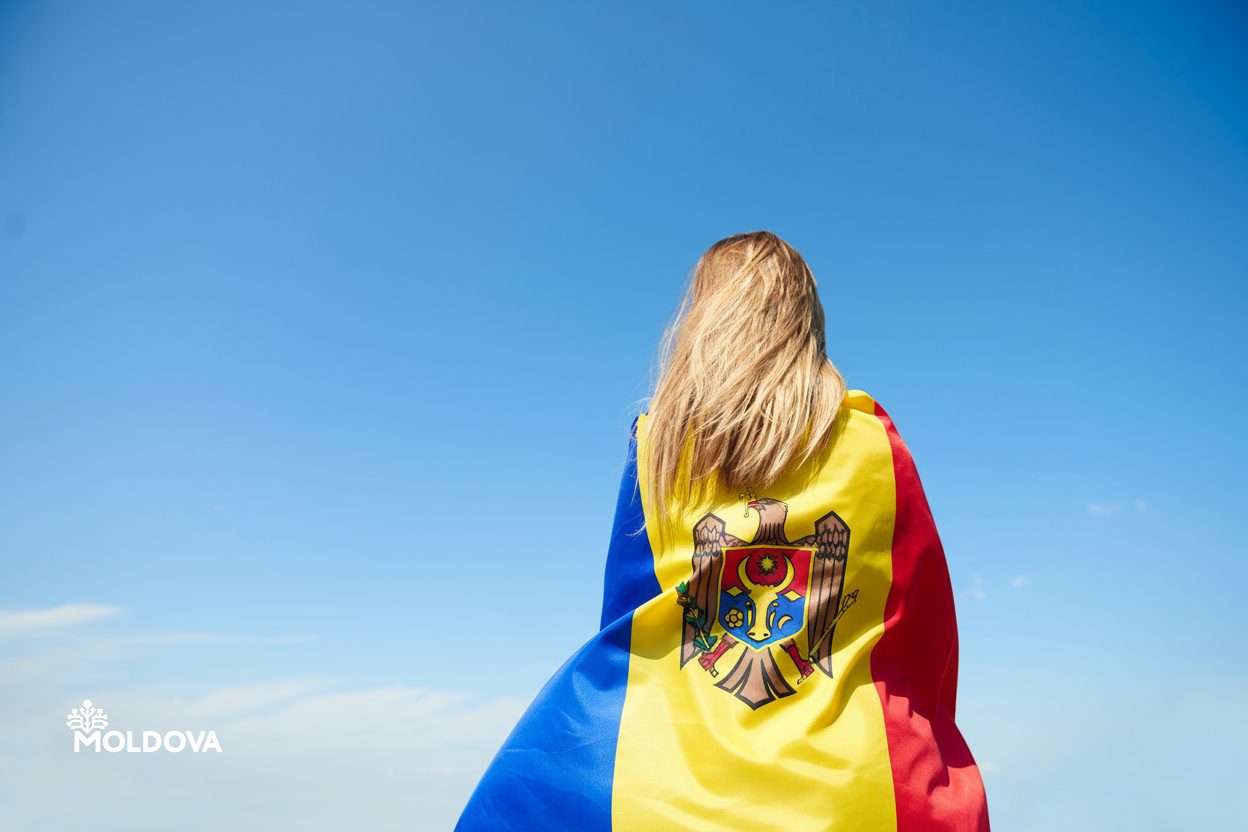
Moldova lies between Romania and Ukraine, negotiating its accession to the European Union. It maintains no resident diplomatic mission anywhere on the African continent. There is one honorary consulate, in Mauritius. For most African readers there is no accessible source on the country at all.
Moldova in Africa reports on Moldova for audiences in South Africa and across the continent: its language, food, wine, folk tradition and national occasions, and the accession process reshaping it. It is a reading platform and a record. It reports; it does not act.
"Moldova in Africa is independently founded and operated. It is not affiliated with, endorsed by, or acting on behalf of the Government of the Republic of Moldova."
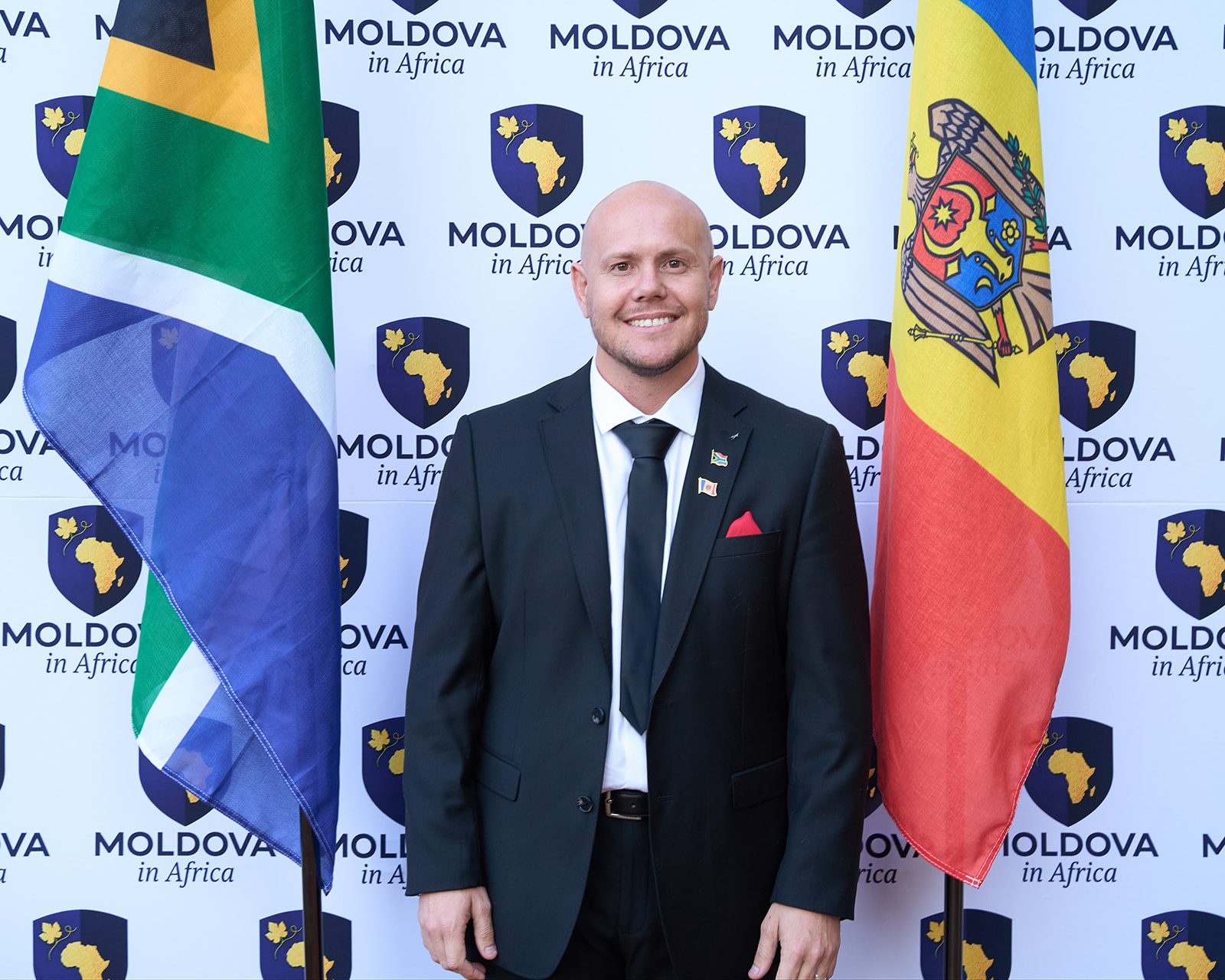
Founded in July 2026 by Pierre Calitz, in Polokwane, Limpopo, South Africa.
Moldovan language, food, wine, music, folk tradition and national occasions, presented to African audiences. Includes the commemoration of Moldova's national day in South Africa.
Reporting Moldova's accession to the European Union for readers who have no other source for it: what the clusters mean, what reform involves, and what it changes for a country of 2.4 million people.
The Moldovan community in Southern Africa, a diaspora that appears in no published record; and the human dimension of Moldova's transformation.
Engagement between Moldovan and African institutions, universities and civil society, and with the diplomatic community in South Africa.
Republic of Moldova
A landlocked parliamentary republic of approximately 2.4 million people, Romanian-speaking with a substantial Russian-speaking minority. Moldova was granted European Union candidate status in June 2022 and formally opened accession negotiations in 2024. Its wine, sunflower oil, wheat and processed agricultural goods reach 108 international markets. The European Commission recognises Moldova as the leading performer among candidate states, with a 93% reform implementation rate.
Pillar 01. Culture and Heritage
Moldova is 33,843 square kilometres between the Prut and the Dniester, with a capital at Chișinău and a population of 2.4 million. Romanian is the official language. Bulgarian, Gagauz, Russian and Ukrainian are also spoken, and it is common for Moldovans to hold three or four languages. What follows is drawn from the Republic's own country platform.

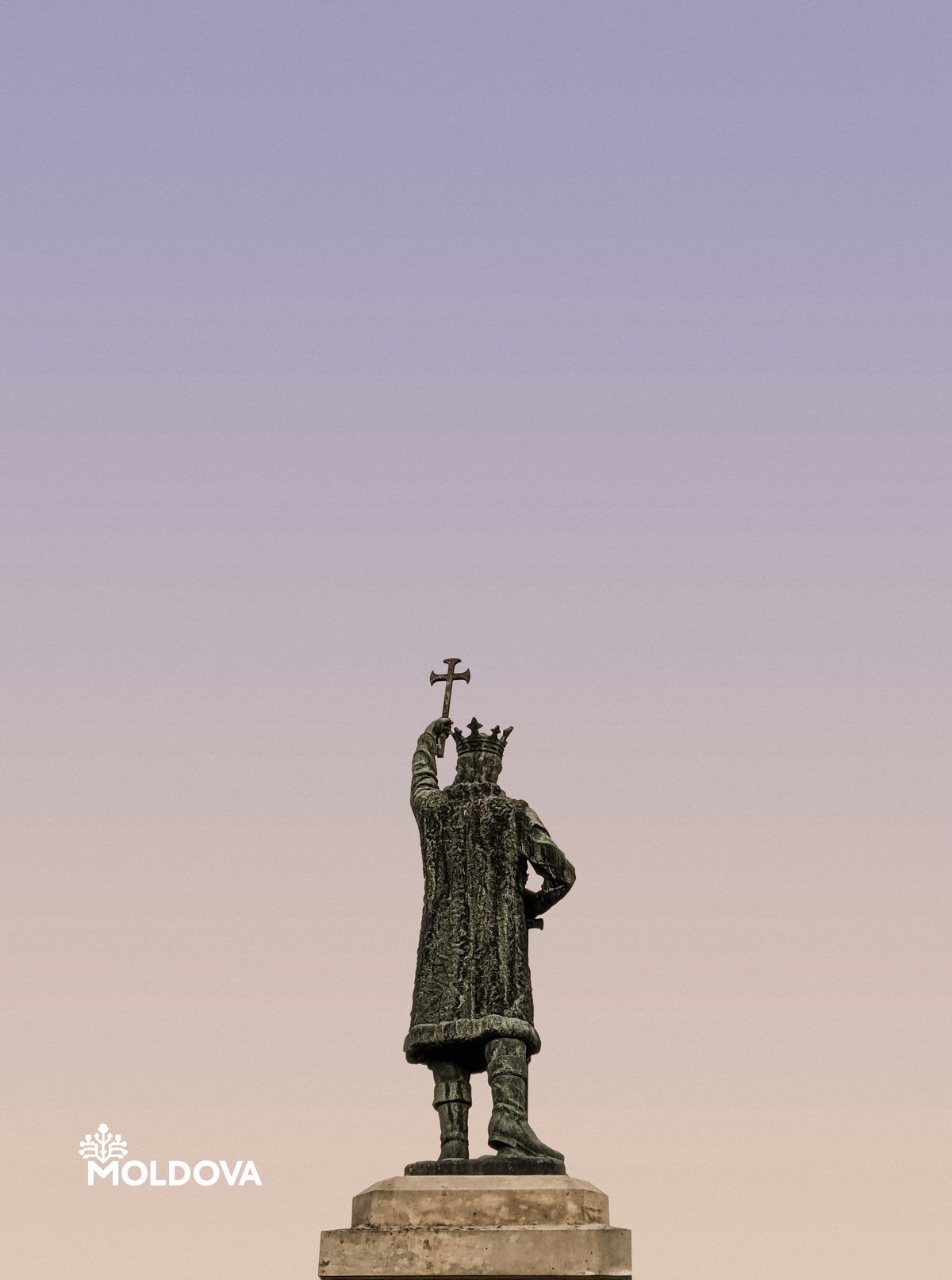
The Principality of Moldavia was established in the fourteenth century. Under Stephen the Great, who ruled from 1457 to 1504, it held its own against the Ottoman Empire for nearly half a century, and his monument still stands at the entrance to the central park in Chișinău.
Eastern Moldavia was ceded to the Russian Empire in 1812 and became Bessarabia. It joined Romania in 1918, was annexed by the Soviet Union in 1940, and declared independence on 27 August 1991. Conflict in the Transnistrian region followed in 1992 and remains unresolved.
The country celebrates two Christmases, on 25 December and on 7 and 8 January, keeping Western and Eastern Orthodox traditions side by side.
Five living traditions from Moldova are inscribed on UNESCO's lists of intangible cultural heritage. They are not museum pieces. They are practised.
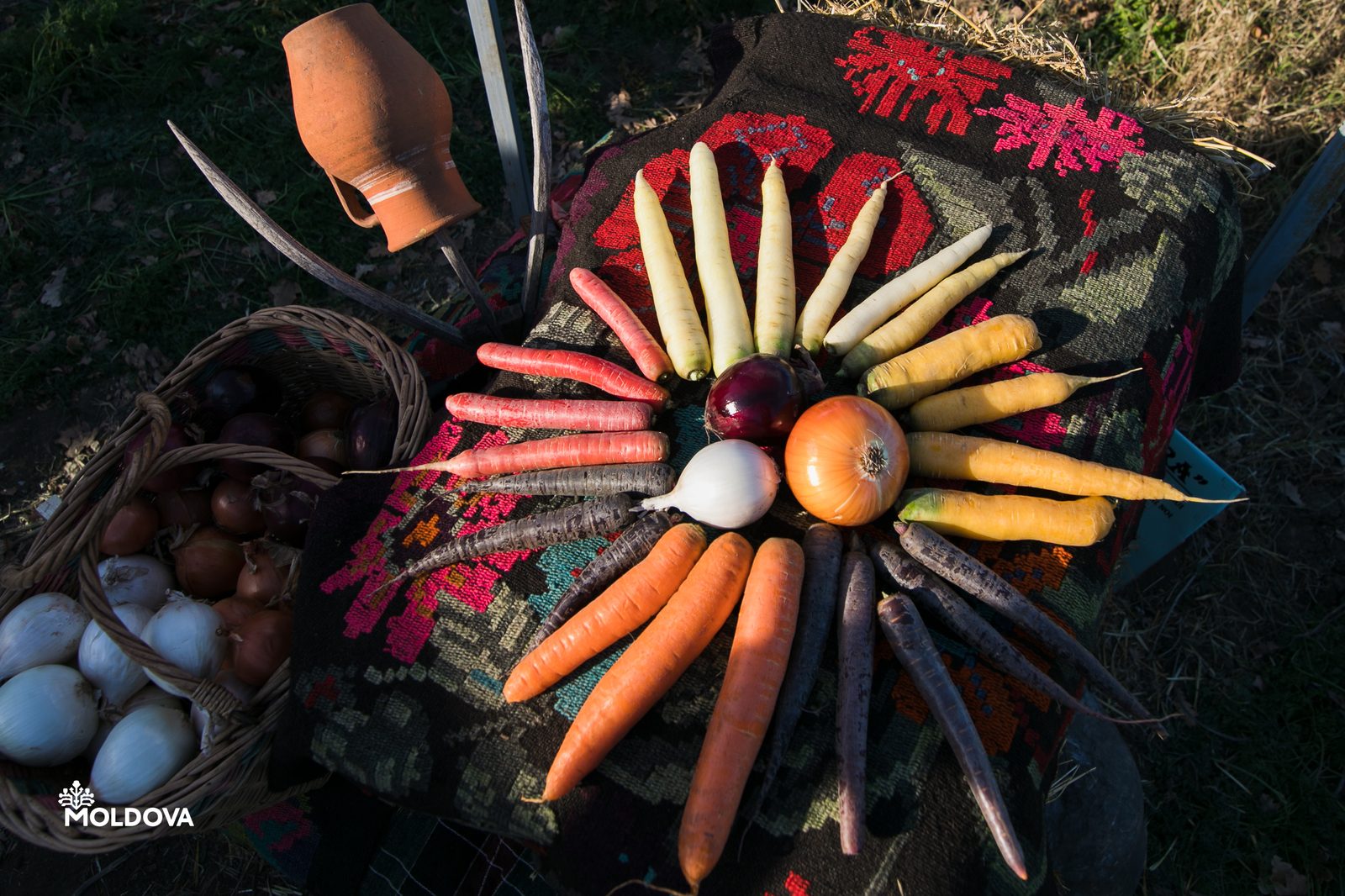
Moldovan cooking comes from fertile ground and long winters: things preserved, things baked slowly, things made in quantity because people are coming. Most of it is recognisable to a South African table: cornmeal, stewed meat, pickles, pastry.
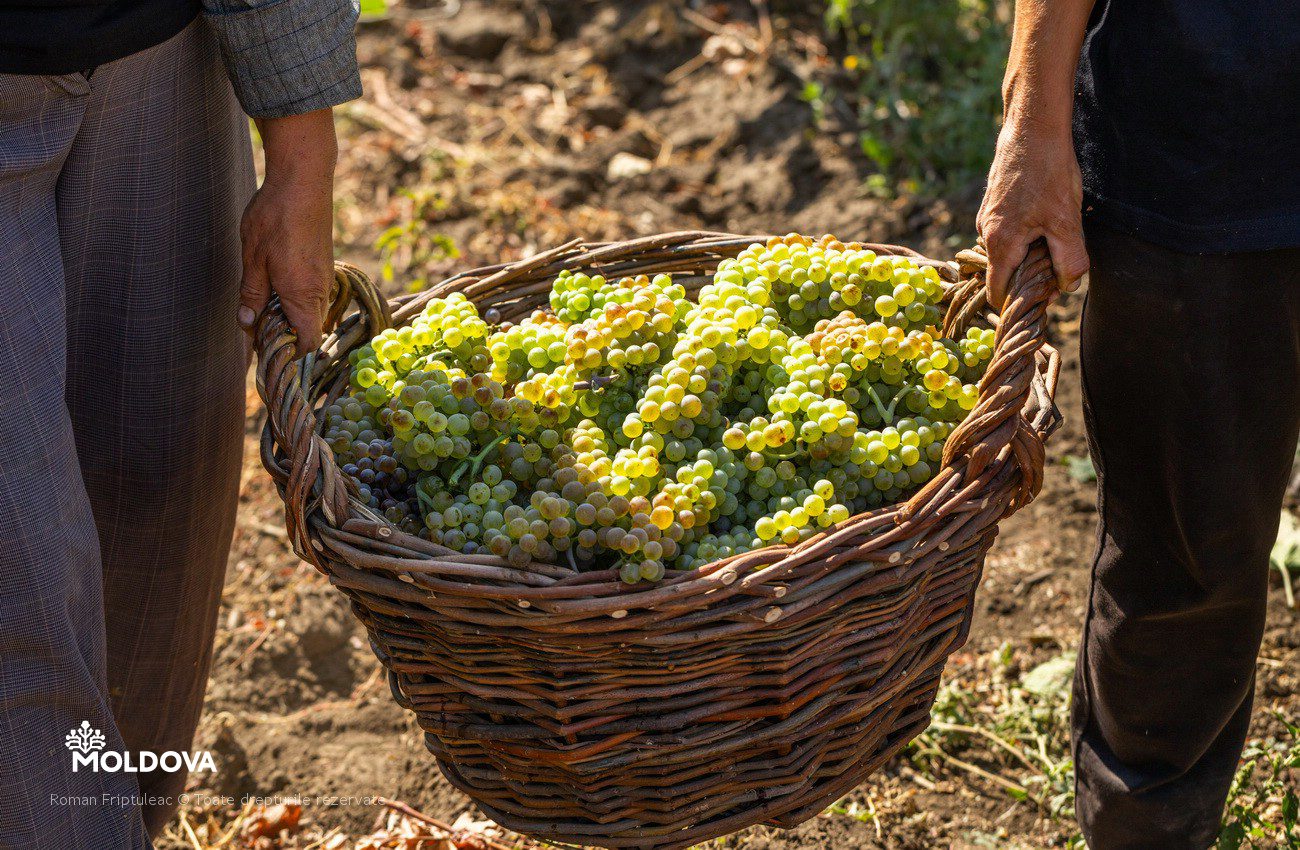
Winemaking here is measured in millennia rather than centuries, and the country holds the highest density of vineyard per head of population in the world. Around 85% of what is produced is exported, to more than seventy-five destinations.
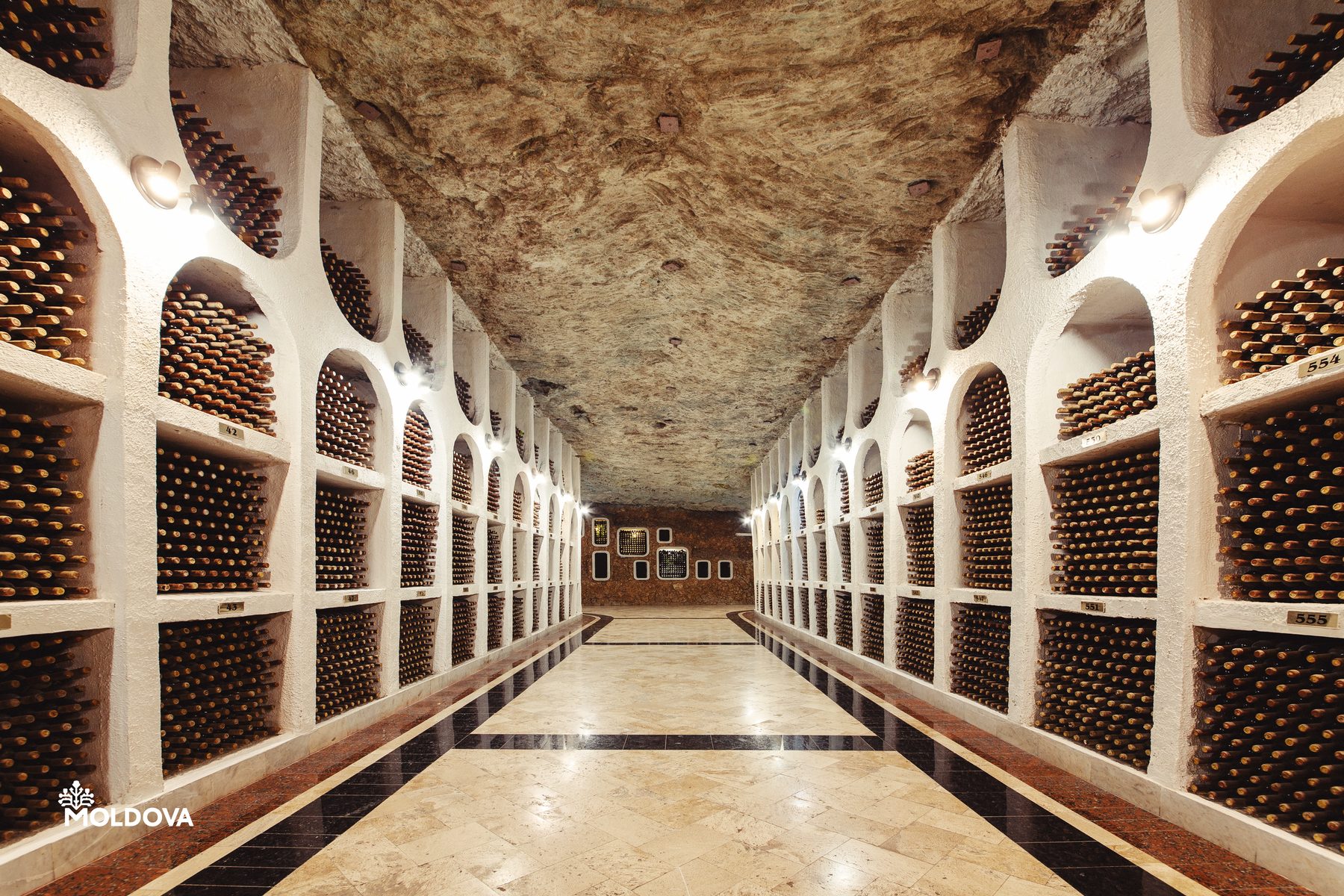
Two cellars are cut into limestone beneath the country. Cricova runs to more than seventy kilometres of galleries with streets named after grape varieties, and holds a national collection that includes a bottle of Jerusalem Easter wine from 1902. Mileștii Mici holds a Guinness World Record for the largest wine collection in the world.
National Wine Day is held in Chișinău every October, gathering more than a hundred wineries in the city centre.
European Integration
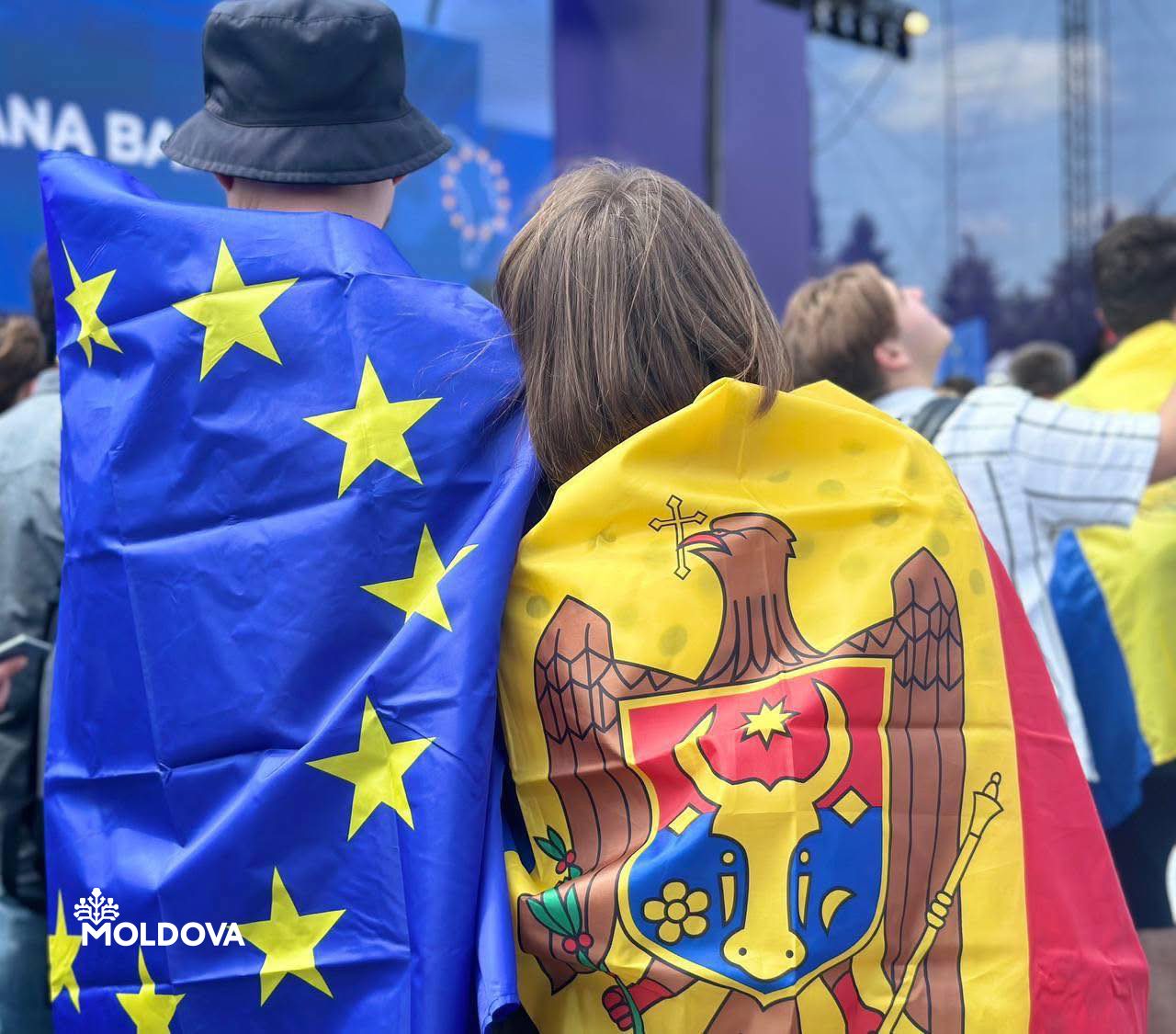
Accession is the defining process of this decade for Moldova. Six thematic clusters, thirty-three chapters, and a reform programme touching the judiciary, the economy and the daily life of 2.4 million people.
Some of it is abstract. Some of it is not: on 1 January 2026 Moldova entered the European Union roaming area, and a Moldovan phone began working in Europe on the same terms as at home.
27 August 2026 · Pretoria
On 27 August 2026 the Republic of Moldova marked thirty-five years of independence. In Chișinău, the Presidents of Romania and Ukraine stood beside President Maia Sandu in the Great National Assembly Square.
Nine thousand kilometres away, in Pretoria, the same three countries were in one room.
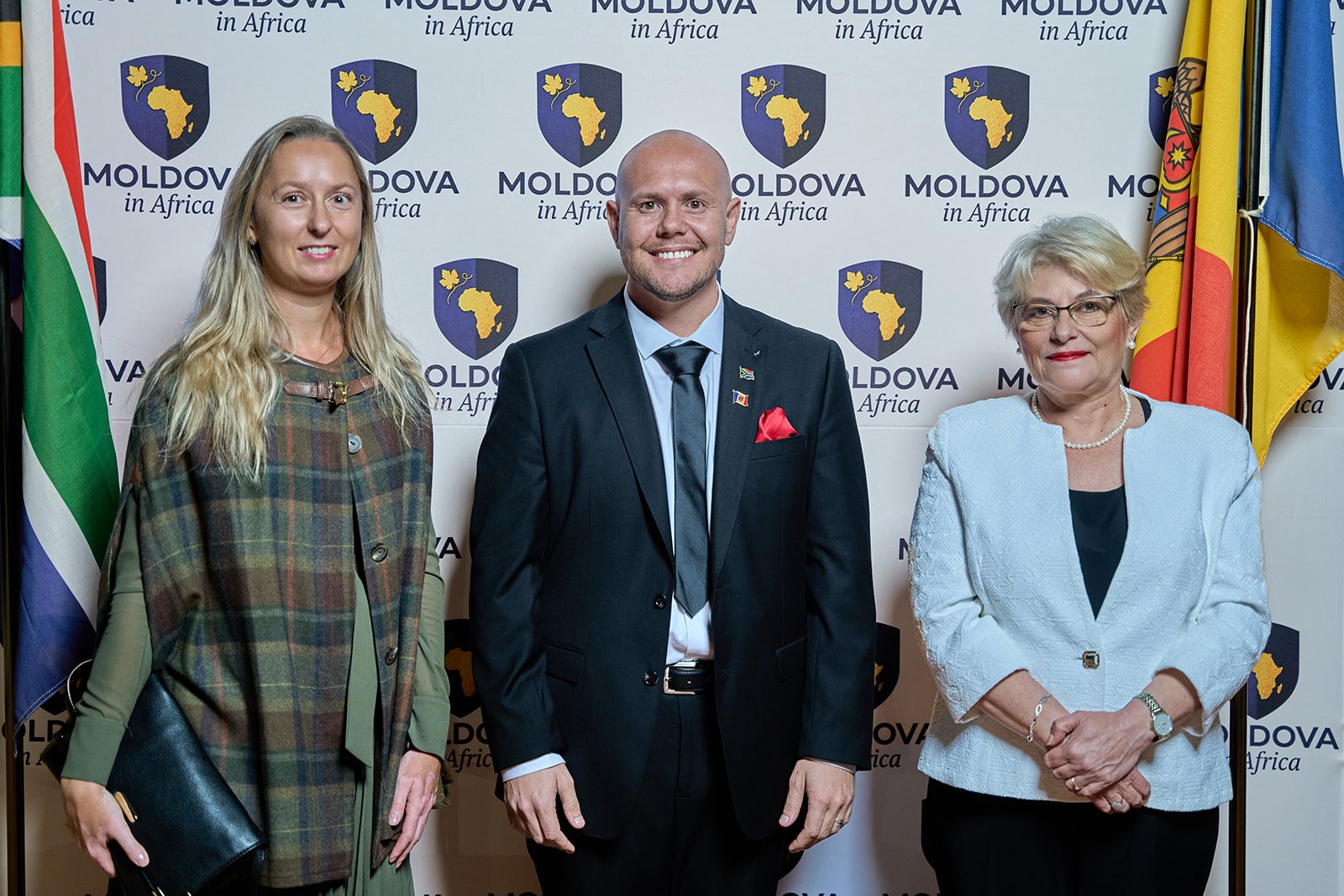
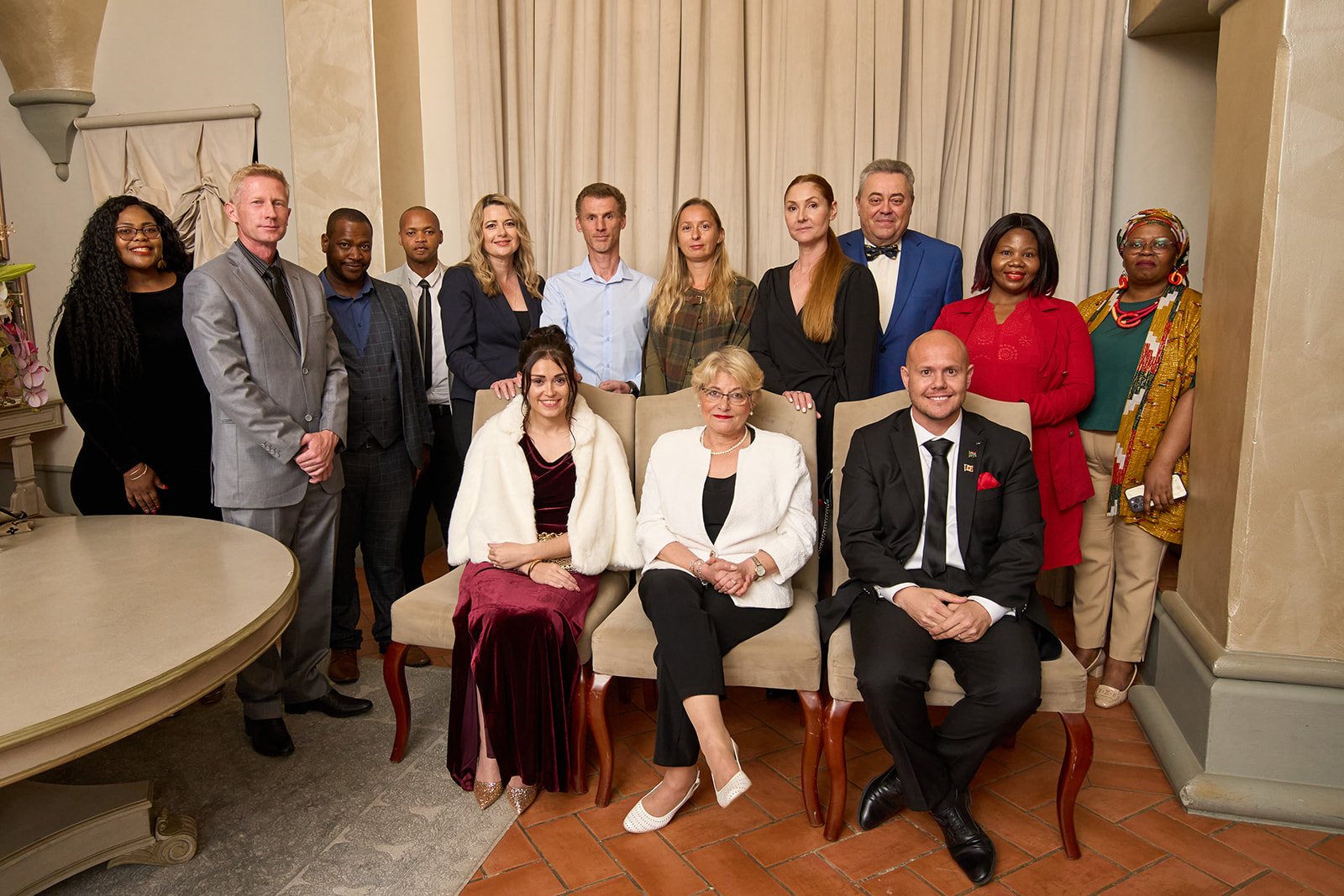
H.E. Ms Monica-Cecilia Sitaru, Ambassador of Romania to South Africa, attended as guest of honour, with Mr Marius Săvuică, Minister Counsellor. Ms Yuliia Filinska, First Secretary at the Embassy of Ukraine, represented her mission. Moldovan citizens living in South Africa sat with them, several having met one another for the first time in the weeks before.
Six Moldovan wines were poured, from Purcari, Cricova and Bostavan, shipped from Chișinău because none are sold here. Every guest left with hand-woven Tsonga cloth from Limpopo.
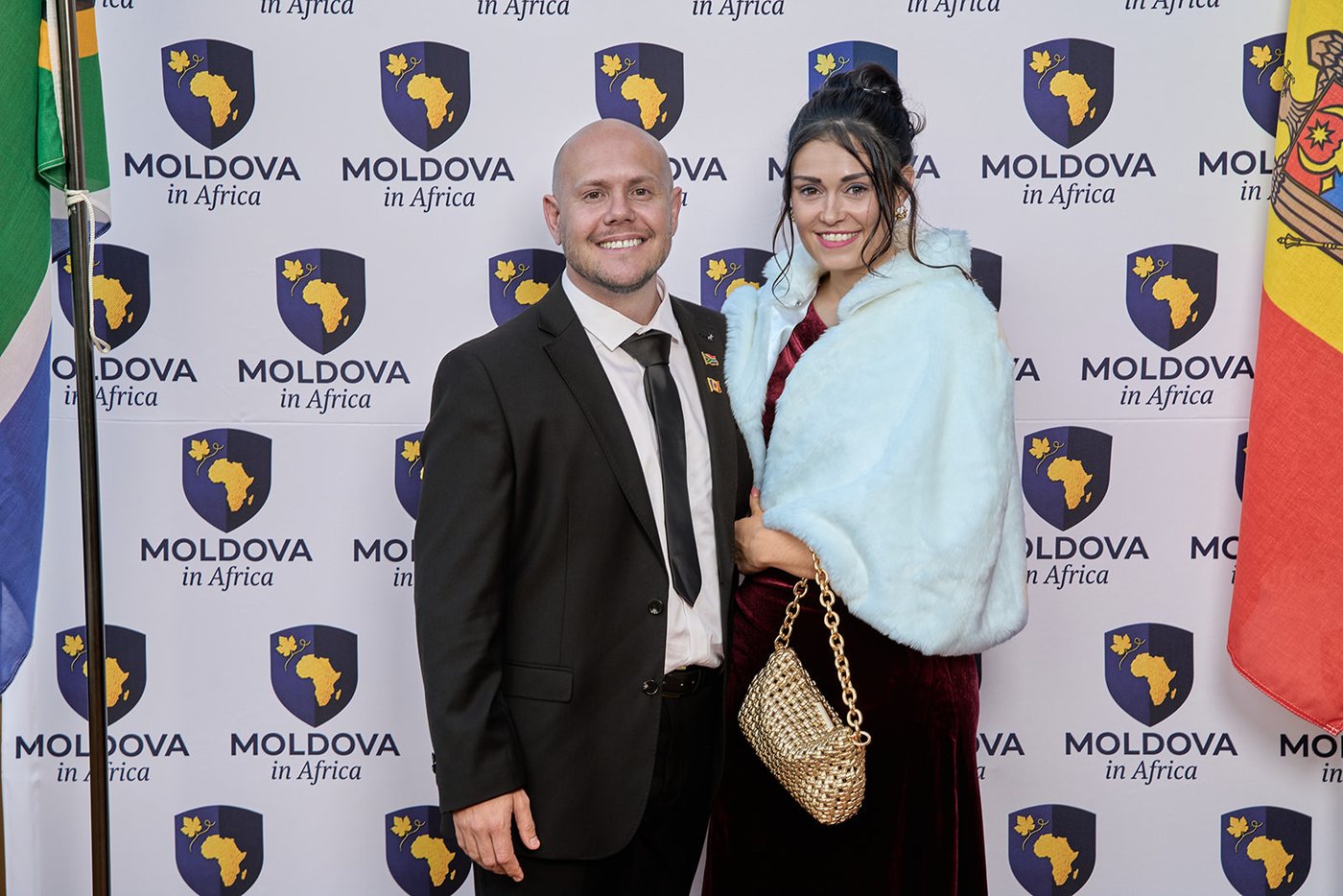
Castello di Monte, Waterkloof Ridge, Pretoria. Photographs by JC Crafford.
Writing
Published pieces on the Republic of Moldova, its culture, its language and its accession to the European Union, written for readers on this continent. Each is available in English and Romanian.
Most national days commemorate a battle or a treaty. Moldova has one that commemorates an alphabet.
Five Russian drones crossed Moldovan airspace hours before the anniversary. Nine thousand kilometres away, in Pretoria, the same three countries were in one room.
Moldova is the fourteenth largest wine exporter in the world. Not one of these six is sold in South Africa.
The stone that built Chișinău was cut from beneath the town of Cricova. What was left behind holds 1.3 million bottles.
Fifty-four states. One honorary consulate. On 7 August the Minister of Foreign Affairs announced that this changes.
South Africa does have an ambassador accredited to Moldova. He is resident in Kyiv.
In Chișinău, Romania was the first country through the door. In Pretoria, where Moldova has no door at all, it is the same country.
The platform published its first page on the day Moldova’s parliament confirmed a new government. What this is, and what it is not.
Moldova counts its citizens abroad carefully. Every continent appears in the records, except one.
Moldova in Africa was founded on 21 July 2026 in Polokwane, Limpopo. Work of the Eastern European Southern Africa Chamber of Commerce and Industry is recorded separately at eesachamber.org.
Founder
"Moldova is a European country in the middle of the most consequential decade in its history, and almost nothing about it reaches this continent. That silence is the reason this platform exists."
Pierre Calitz founded Moldova in Africa in July 2026, in Polokwane, Limpopo. The platform grew out of a straightforward observation: Moldova has no resident diplomatic presence anywhere in Africa, no published record of its community here, and almost no readership on the continent, while undergoing a transformation that will place it inside the European Union.
He is also Founding President of the Eastern European Southern Africa Chamber of Commerce and Industry, a registered South African non-profit company. The two are separate institutions with separate mandates and separate records. Moldova in Africa is not a commercial undertaking, receives no funding from any government, and does not act on behalf of any party.
He is based in Polokwane, Limpopo, South Africa.
Moldova's Consular Presence in Africa
Contributed by Mr Ballah, in his own words.
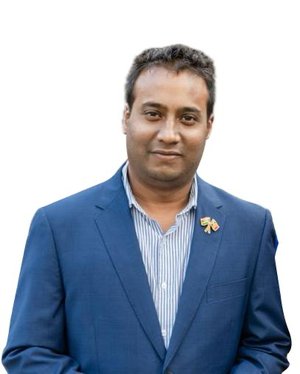
Mr Rikesh Ballah serves as Honorary Consul of the Republic of Moldova in the Republic of Mauritius, one of Moldova's longest-serving Honorary Consuls globally and the pioneering Moldovan consular presence on the African continent.
A Fellow of the Association of Chartered Certified Accountants (FCCA), Member of the Chartered Institute for Securities and Investment (MCSI), Oxford Saïd Executive Education Alumni, and BSc (Hons) Accounting and Finance from the University of Birmingham, Mr Ballah is currently Executive Director of OMAHA Corporate Services Ltd, a licensed Management Company in Mauritius, authorised to provide a full range of corporate, secretarial, compliance, fund administration, trust and fiduciary services to UHNWIs, HNWIs, and Conglomerates across the globe.
In recognition of his extraordinary service to Moldova, Mr Ballah was awarded the Diplomatic Merit Medal Class III by the Republic of Moldova in 2020, conferred by the Minister of Foreign Affairs and European Integration. In 2025 he was further honoured as an Honorary Member of the Association of Geography and Ethnology of Moldova for outstanding contribution to the promotion of the Republic of Moldova at international level.
Mr Ballah currently serves as Chairperson of the Eastern Africa Regional Committee of FICAC, the World Federation of Consuls, appointed 19 March 2026. FICAC is a UN-recognised global network of consular associations headquartered in Brussels, with Special ECOSOC Status and formal recognition by the European Union and the Organisation of American States.
Together, Mr Ballah's Eastern Africa mandate and Moldova in Africa's Southern Africa corridor form the institutional foundation of Moldova's emerging continental African diplomatic presence.
Pieces on Moldova, its culture, its language and its accession to the European Union, in English and Romanian. To be added to the list, write to info@moldovainafrica.org.
Contact
From readers, from institutions and universities, from the diplomatic community in South Africa, from journalists, and from Moldovans living anywhere on this continent.